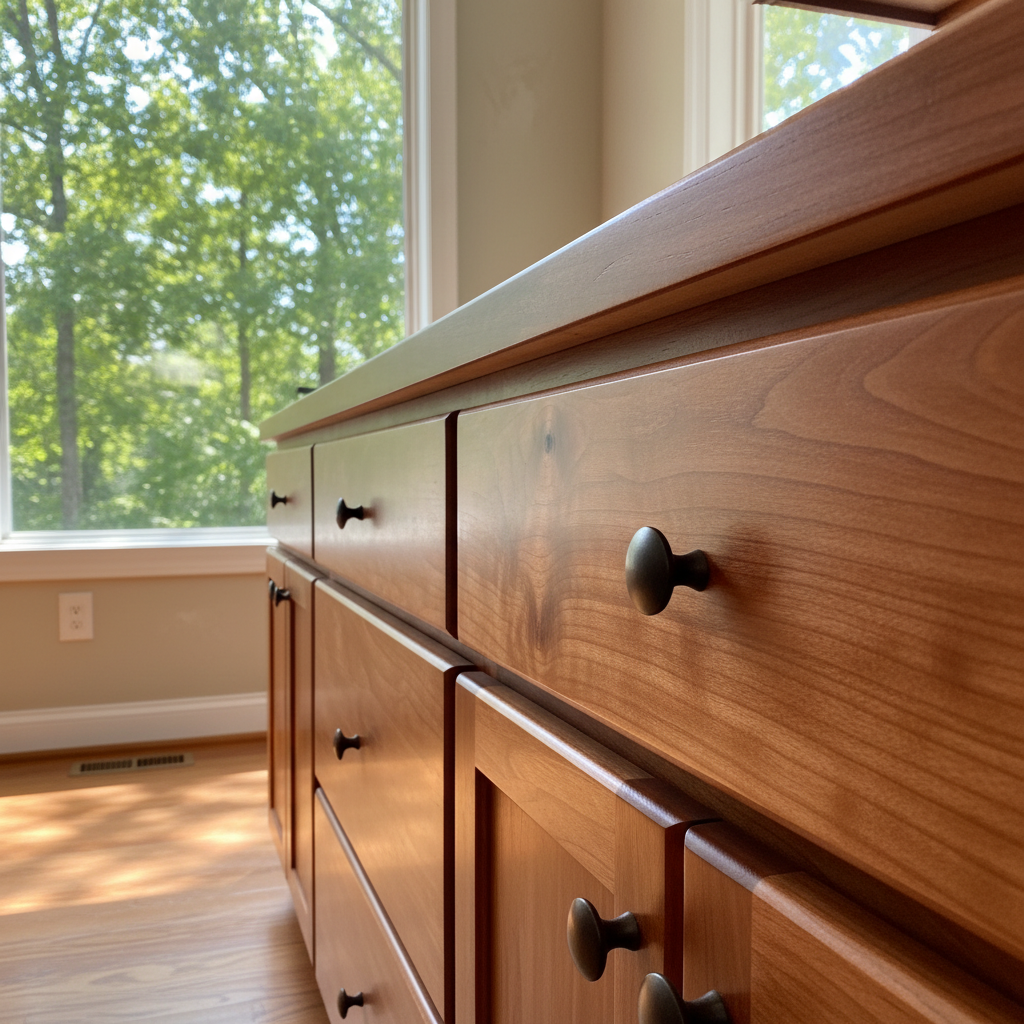
So, you're thinking about adding some built-in furniture to your place. That's a great idea, honestly. Built-ins can transform a room, add tons of functionality, and even boost your home's value. But before you grab a saw or call up a contractor, there are a few things you really need to understand. I've seen a lot of projects over the years, some go great, some... well, let's just say they could've gone better with a little more planning.
Before You Start: The Planning Phase
This is where most DIY built-in projects either succeed or fail. You can't just wing it. First, figure out exactly what you want this built-in to do. Is it for books? A media center? A window seat with storage? Get specific. Measure the space meticulously. And I mean meticulously. Don't just eyeball it. Get a tape measure and check your measurements three times. Walls aren't always perfectly straight, and floors aren't always perfectly level, especially in some of the older homes around Haymount or even some of the newer builds where things got rushed. Account for that.
Next, think about your skill level. Are you comfortable with power tools? Do you know how to cut straight lines, join pieces securely, and apply a decent finish? If you've never used a miter saw or don't know what a pocket hole jig is, maybe a complex wall unit isn't your first DIY project. Start small. A simple floating shelf or a basic bench might be a good warm-up. For anything that needs to look truly seamless and integrated, or if it involves complex joinery, electrical work, or structural considerations, you're probably looking at a pro job.
Consider your budget too. DIY can save you money on labor, but materials aren't cheap, especially if you want quality wood or hardware. Don't forget to factor in tools you might need to buy or rent. Sometimes, by the time you buy all the specialized tools, the cost difference between DIY and hiring a pro shrinks a lot.
During the Project: Execution and Common Pitfalls
Alright, you've planned it out, you've got your materials. Now it's time to build. If you're going DIY, patience is your best friend. Don't rush cuts. Measure twice, cut once – that's not just a saying, it's how you avoid wasting expensive lumber. When assembling, use good quality wood glue in addition to screws or nails. It makes a huge difference in the strength and longevity of your piece.
One common mistake I see homeowners make is not properly anchoring their built-ins. These aren't freestanding pieces of furniture. They need to be securely fastened to wall studs. If you don't hit studs, you're asking for trouble, especially if you're loading it up with heavy books or a big TV. A stud finder is a must-have tool. Don't skimp on fasteners either; use screws long enough to get a good bite into the studs.
Another thing to watch out for, especially here in Fayetteville with our humidity swings, is wood movement. If you're using solid wood, it's going to expand and contract. You need to design for that, or you'll end up with cracks or warped panels. Plywood and MDF are more stable, but they have their own finishing challenges. Speaking of finishing, take your time. Sanding is boring, I know, but it's crucial for a smooth, professional-looking finish. Apply primer, then multiple thin coats of paint or stain, sanding lightly between coats. Don't glob it on.
When do you call us at Fayetteville Cabinet Makers? If your project involves intricate details like crown molding that needs to match existing trim, complex cabinetry with custom doors, or if you're trying to integrate something into an awkward space that requires precise scribing to uneven walls, that's usually when it's time to bring in the pros. We've got the tools, the experience, and the eye for detail to make those challenging aspects look effortless.
After It's Done: Maintenance and Enjoyment
So, you've finished your built-in, or we've installed it for you. Congratulations! Now, how do you keep it looking good? For painted finishes, a damp cloth is usually all you need for cleaning. Avoid harsh chemicals that can damage the paint. For stained or natural wood, follow the manufacturer's recommendations for the specific finish used. Dust regularly to prevent buildup.
Over time, you might notice a screw loosening up or a door hinge needing adjustment. That's normal wear and tear. A quick tighten with a screwdriver usually fixes it. If you've got kids or pets, you might get dings or scratches. Minor touch-ups with matching paint or stain can make them disappear. Just keep a small amount of the original finish on hand for this reason.
The biggest thing after a built-in project is to actually enjoy it. These pieces are meant to be functional and beautiful additions to your home. They should make your life easier and your space more organized. Whether you built it yourself with sweat and determination, or you had Fayetteville Cabinet Makers craft it for you, a well-designed and well-executed built-in is a fantastic investment in your home.