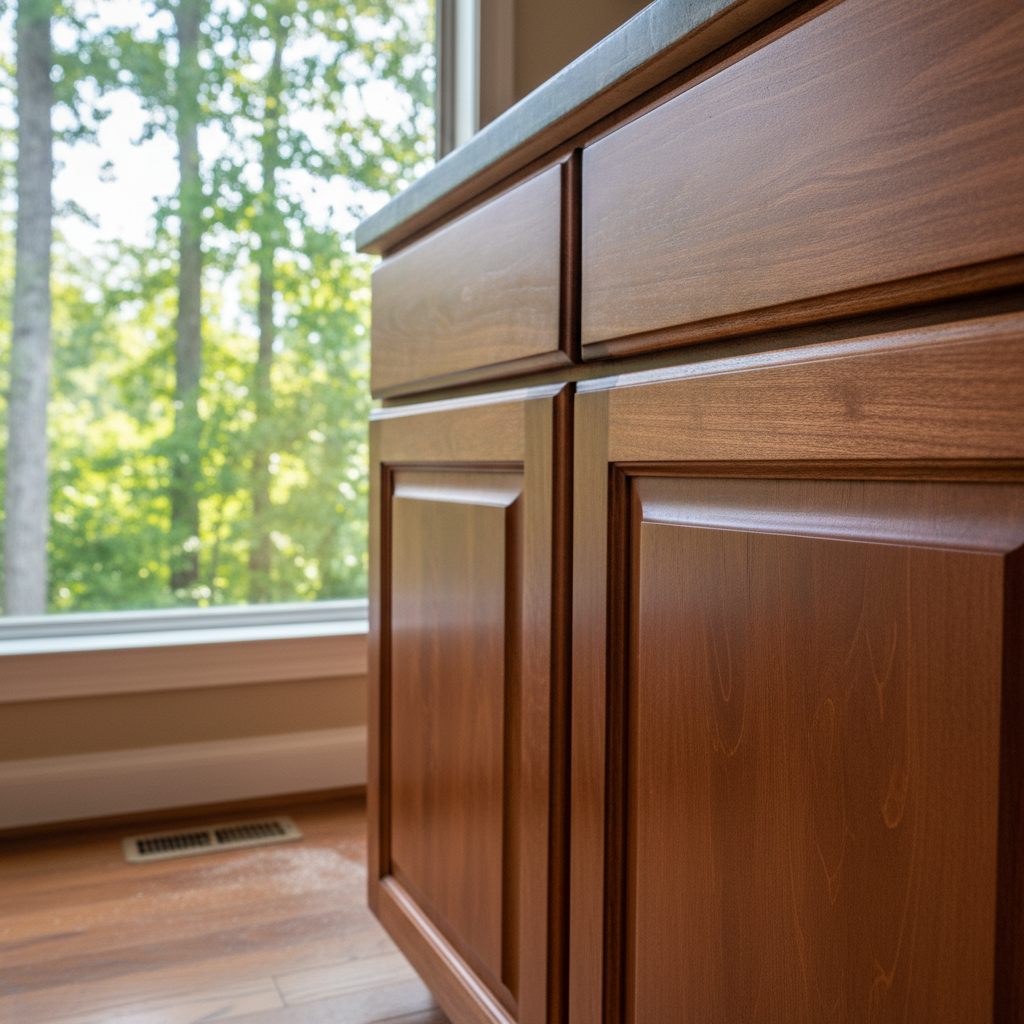
Your cabinets really take a beating, don't they? Especially here in Fayetteville, with our humid summers and busy family lives, kitchen and bathroom cabinets see a ton of action. Over time, that daily grind, moisture, and just plain old age can really wear them down. So, when you start noticing dings, scratches, or doors that don't quite close right, you're probably asking yourself: can I fix this myself, or do I need to call someone in?
As a local guy who's worked with cabinets for years, I've seen it all. There's plenty you can tackle yourself, but then there are times when bringing in a professional just makes more sense. Let's break down what you need to know before, during, and after a cabinet repair or restoration project.
Before You Start: Assess the Damage
First things first, take a good, hard look at your cabinets. What's actually wrong? Is it just cosmetic, or is there something structural going on?
- Surface Scratches and Dings: These are usually pretty minor. Maybe a stray toy hit the cabinet, or a pan scraped against it — you know how it goes.
- Faded Finish: Sunlight, cleaning products, or just years of use can dull or lighten the finish, especially on those south-facing kitchen cabinets.
- Loose Hinges or Handles: Screws can work their way loose. This is a super common issue, honestly.
- Sticking or Sagging Drawers: Drawers can get off track, or the bottom might be bowing out.
- Water Damage or Swelling: This is a bigger deal. If you've got cabinets near a sink or dishwasher, especially in older homes in areas like Terry Sanford, you might see swelling or discoloration from moisture.
- Broken Doors or Drawer Fronts: Sometimes a door gets slammed too hard, or a drawer front cracks.
- Structural Issues: The cabinet box itself might be compromised, or the shelving could be collapsing.
Once you've got a clear picture of the problem, you can start thinking about solutions.
What You Can DIY (and How to Do It)
For a lot of common cabinet problems, you absolutely can roll up your sleeves and fix them yourself. You don't need to be a master carpenter, just a little patience and the right tools.
Minor Cosmetic Fixes
Got a small scratch? Try a furniture repair marker or a wood stain pen that matches your cabinet color. For deeper scratches, you might need a wood filler stick. Apply it, let it dry, and then carefully wipe away the excess. For faded finishes, sometimes a good cleaning followed by a quality wood polish or a light re-application of a clear topcoat can work wonders. Just make sure you test it in an inconspicuous spot first, okay?
Loose Hardware
This is probably the easiest fix. Grab a screwdriver and tighten those screws on your hinges and handles. If the screw hole is stripped and the screw just spins, you've got a couple of options. You can remove the screw, stick a wooden toothpick (or two) into the hole with a bit of wood glue, let it dry, then break off the excess and re-insert the screw. The wood filler gives the screw something new to bite into. It's a classic trick that works great.
Sticking or Sagging Drawers
First, empty the drawer and check the glides. Sometimes they just need a good cleaning to remove accumulated gunk. If they're metal glides, a little silicone spray can help them slide smoothly. For wooden glides, a rub with paraffin wax or even a bar of soap can reduce friction. If the drawer bottom is sagging, you might reinforce it from underneath with small L-brackets or by gluing and clamping a thin strip of wood along the bottom edges for extra support.
When to Call a Pro: Fayetteville Cabinet Makers Can Help
While DIY is great for many things, there are definitely times when you're better off bringing in someone with specialized tools and experience. Don't be afraid to admit when a job is beyond your comfort zone — it'll save you headaches and potentially more money in the long run.
Extensive Water Damage
If your cabinets have really swollen up from water, or if there's mold involved, that's a job for a pro. Water damage can compromise the structural integrity of the cabinet, and just drying it out isn't enough. You might need sections replaced, or even a full cabinet unit. Plus, mold needs to be handled properly to prevent health issues.
Major Structural Repairs
If the cabinet box itself is falling apart, shelves are collapsing, or a door is completely broken beyond simple repair, you're looking at more complex carpentry work. This often involves disassembling parts of the cabinet, cutting new pieces, and reassembling them precisely. We've got the tools and expertise for that kind of precision work here at Fayetteville Cabinet Makers.
Complete Finish Restoration
If your cabinets are truly old and worn, with deep scratches, peeling veneer, or a finish that's completely gone in spots, a full restoration is a big undertaking. It involves stripping the old finish, sanding, repairing imperfections, and then applying new stain and topcoats. This requires a dust-controlled environment and specialized spraying equipment for a factory-smooth finish that most homeowners just don't have. If you want your cabinets to look brand new again, this is where a professional really shines.
Replacing Doors or Drawer Fronts
While you can sometimes replace a single door, matching the style, wood species, and finish perfectly can be tricky. If you're looking to replace multiple doors or drawer fronts to update the look, a professional can ensure a seamless match and proper installation, often custom-making them to fit your existing cabinet boxes.
After the Repair or Restoration: Maintenance is Key
Once your cabinets are looking good again, you want to keep them that way! Regular maintenance is your best friend.
- Clean Regularly: Wipe down your cabinets with a soft, damp cloth and a mild cleaner. Avoid harsh chemicals or abrasive scrubbers, especially on finished wood.
- Address Spills Immediately: Don't let water or food sit on your cabinet surfaces. Wipe them up right away to prevent staining or water damage.
- Check Hardware: Every few months, give your hinges and handles a quick check. Tighten any screws that feel loose before they become a bigger problem.
- Protect from Heat and Moisture: Use exhaust fans when cooking to reduce humidity. Be mindful of steam from kettles or dishwashers directly hitting cabinet fronts.
Whether you tackle a small repair yourself or bring in Fayetteville Cabinet Makers for a bigger restoration, taking care of your cabinets means they'll serve your family well for many more years to come.